
India Observes World No Tobacco Day 2025: Youth and Environment at the Core of This Year’s Campaign

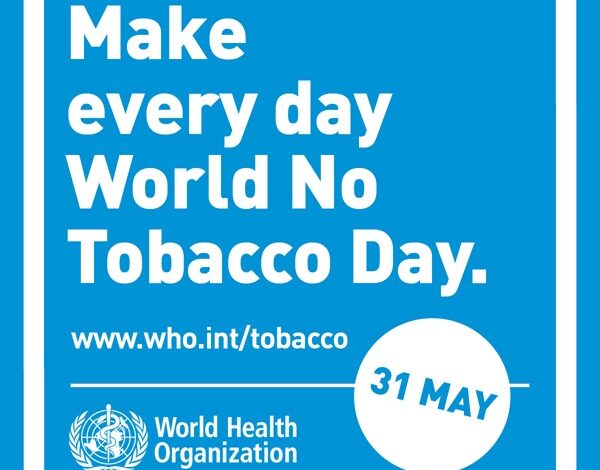

Hubballi ,May 31: WHO urges urgent action to shield youth from tobacco industry influence; India ramps up public awareness campaigns
As India joins the global community in observing World No Tobacco Day today, health advocates and policymakers are turning their attention toward one urgent issue — the growing influence of tobacco products on Indian youth.
This year, the World Health Organization (WHO) has centered its 2025 campaign around the theme “Protecting Children from Tobacco Industry Interference”, calling for stricter regulations and greater public awareness to prevent a new generation from falling prey to tobacco addiction.
India’s Tobacco Challenge
India bears one of the world’s highest burdens of tobacco-related disease and death. According to the Global Adult Tobacco Survey (GATS-2, 2016-17), over 28.6% of Indian adults use tobacco in some form — that’s nearly 267 million people. Every year, tobacco use kills more than 1.35 million Indians, many from preventable illnesses like cancer, heart disease, and respiratory conditions.
What’s more alarming is the rise in smokeless tobacco use, which includes gutkha, khaini, and pan masala — forms especially prevalent among youth and rural populations.
A Youth-Centric Epidemic
Flavored e-cigarettes, nicotine pouches, and attractive packaging are luring adolescents into early addiction. Despite a ban on e-cigarettes in India since 2019, illegal sales and online marketing continue to pose serious challenges.
“This is not just a public health issue but a social and developmental one,” said a spokesperson from the Ministry of Health and Family Welfare. “We need families, schools, and digital platforms to step up and shield young minds from harmful influence.”
In many Indian states, health departments are rolling out school-based awareness programs and community outreach campaigns to spread awareness about the risks of tobacco. Cities like Mumbai, Bengaluru, and Hyderabad have ramped up anti-smoking enforcement in public spaces, while NGOs are urging more states to adopt tobacco-free village and campus models.
The Environmental Cost of Tobacco
Beyond health, tobacco is also an environmental pollutant. From the massive deforestation caused by tobacco farming to the 5.6 trillion cigarette butts discarded annually, the environmental footprint is significant. Cigarette filters, primarily made of plastic, are the most commonly littered item worldwide — a fact many users remain unaware of.
India’s growing environmental movement is beginning to spotlight tobacco waste as part of larger climate and pollution discussions.
What Needs to Be Done
The WHO and India’s National Tobacco Control Programme (NTCP) advocate a multi-pronged approach to reduce tobacco use:
Strict enforcement of the Cigarettes and Other Tobacco Products Act (COTPA).
Increase in tobacco taxes to make products less affordable.
Sustained anti-tobacco media campaigns, especially targeting youth.
Promotion of cessation services through helplines and clinics.
Monitoring and curbing online sales of banned tobacco products.
The Road Ahead
World No Tobacco Day serves as a crucial reminder: Tobacco kills, and it must be stopped at its roots. As India marches toward its 2030 Sustainable Development Goals, eliminating tobacco use is critical to improving public health, reducing poverty, and protecting the environment.
This year’s message is clear — protect the youth, safeguard the planet, and act now.